
The oil and gas industry plays a critical role in supporting energy infrastructure and industrial development across Sri Lanka and global markets. From upstream exploration and production to downstream refining and hydrocarbon processing, efficient operations depend heavily on specialized chemical treatment programs.
Modern Chemicals for Oil & Gas Industry applications are designed to improve process efficiency, protect equipment, optimize fuel quality, and reduce operational challenges such as corrosion, scaling, fouling, and contamination. As refining operations become more complex and environmental standards continue to tighten, industries are increasingly relying on advanced oil and gas process chemicals to improve operational reliability and sustainability.
Specialized industrial process treatment chemicals help refineries and hydrocarbon processing facilities maintain consistent performance while minimizing maintenance costs and operational downtime.
Importance of Process Chemicals in the Oil & Gas Industry
Oil and gas operations involve complex processing environments with high temperatures, pressures, corrosive fluids, and varying hydrocarbon compositions.
Without proper treatment programs, facilities may experience:
- Corrosion and equipment degradation
- Fouling and scaling
- Reduced refining efficiency
- Pipeline blockages
- Increased maintenance costs
- Poor fuel quality
- Operational instability
Advanced specialty chemicals for refining help address these issues while improving overall process efficiency.
Oil & Gas Value Chain and Chemical Applications
Chemical treatment solutions are used across all major oil and gas processing stages.
Upstream Operations
Include exploration, drilling, and crude oil production.
Midstream Operations
Focus on transportation, storage, and pipeline systems.
Downstream Operations
Cover refining, petrochemical production, and fuel processing.
Different process stages require specialized upstream chemical solutions oil and gas facilities can use to maintain operational efficiency.
Upstream Chemical Solutions for Oil & Gas
Upstream production environments often face challenges related to corrosion, scaling, emulsions, and microbial contamination.
Common Upstream Chemical Applications Include:
- Corrosion inhibitors
- Scale inhibitors
- Demulsifiers
- Biocides
- Paraffin dispersants
- Drilling fluid additives
These chemicals improve crude oil recovery while protecting production equipment and pipelines.
Crude Oil Processing Chemicals
Crude oil contains impurities such as water, salts, sulfur compounds, and suspended solids that require treatment before refining.
Crude oil processing chemicals help:
- Improve separation efficiency
- Reduce fouling
- Prevent corrosion
- Enhance crude stabilization
- Improve refining performance
Efficient crude treatment improves refinery throughput and operational stability.
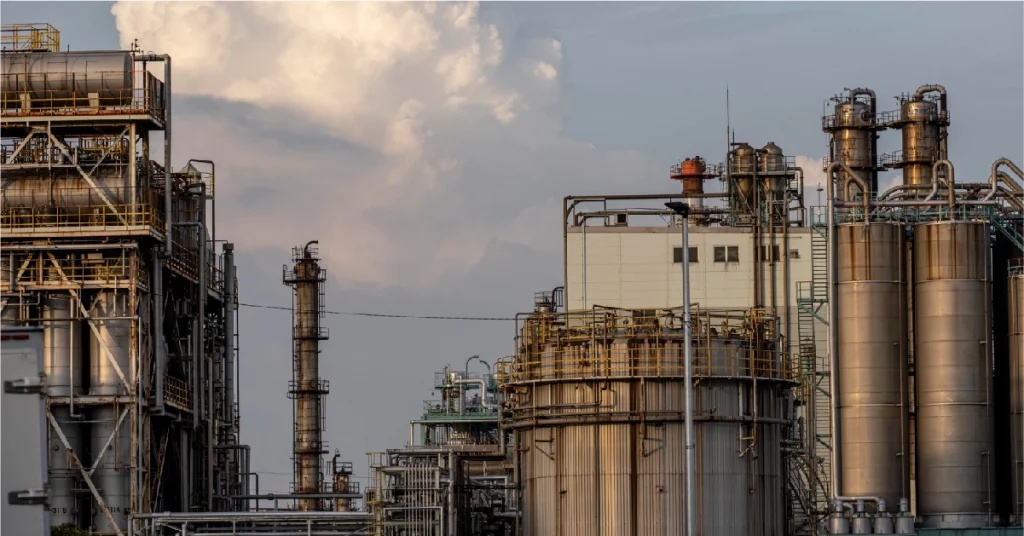
Downstream Refining Chemicals
Refineries use advanced downstream refining chemicals to optimize fuel production and protect process equipment.
Applications include:
- Corrosion control
- Fouling prevention
- Catalyst protection
- Water treatment
- Heat exchanger cleaning
- Desalter treatment
Specialized refinery performance chemicals improve operational reliability and reduce shutdown risks.
Fuel Additives for Refineries
Fuel additives improve the performance, stability, and quality of refined petroleum products.
These additives help:
- Improve combustion efficiency
- Reduce emissions
- Enhance fuel stability
- Prevent deposit formation
- Improve storage performance
Fuel additives for refineries are widely used in gasoline, diesel, aviation fuel, and industrial fuel production.
Specialty Chemicals for Hydrocarbon Processing
Hydrocarbon processing systems require specialized treatment programs to handle aggressive operating conditions.
Common chemicals for hydrocarbon processing include:
- Antifoaming agents
- Neutralizing amines
- Corrosion inhibitors
- Catalyst protection chemicals
- Fouling control agents
- Cooling water treatment chemicals
These industrial process treatment chemicals improve process efficiency while protecting valuable equipment.
Corrosion and Fouling Control in Refineries
Corrosion and fouling are major operational concerns in refining and petrochemical facilities.
Corrosion Challenges
Caused by sulfur compounds, acids, salts, and water contamination.
Fouling Challenges
Results from hydrocarbon deposits, scaling, and particulate accumulation.
Advanced refinery performance chemicals help minimize these issues and improve equipment lifespan.
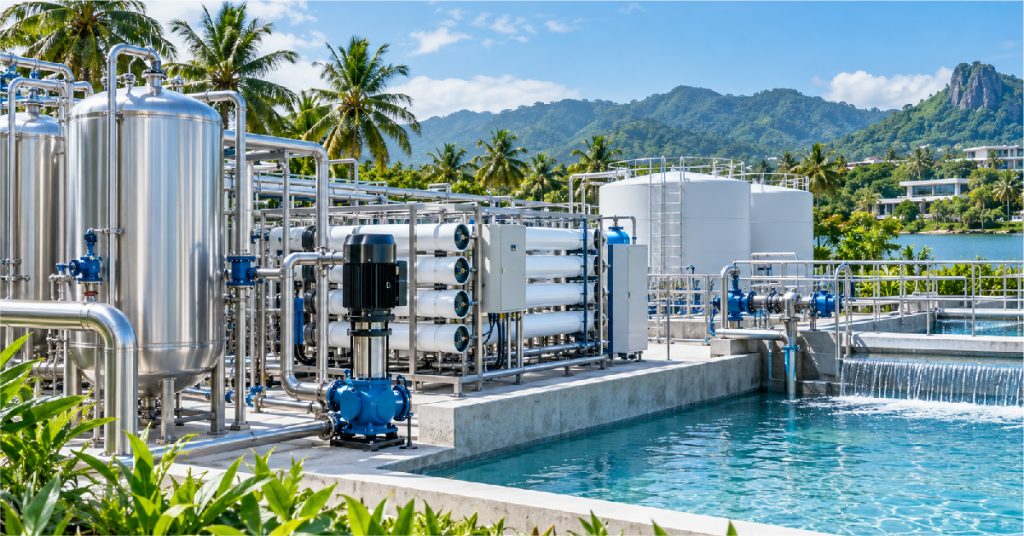
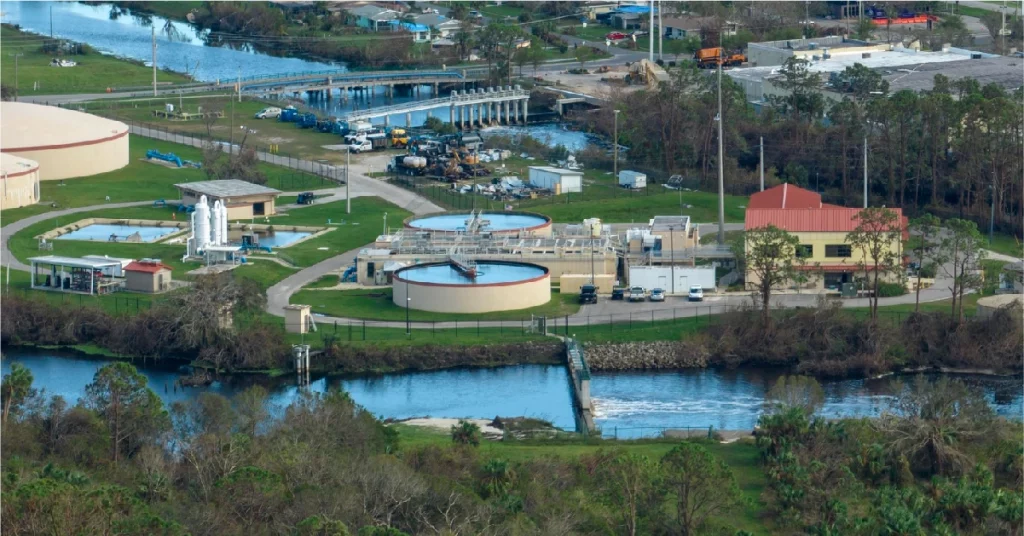
Water Treatment in Oil & Gas Operations
Water treatment is a critical component of oil and gas processing operations.
Applications include:
- Cooling water treatment
- Boiler water treatment
- Produced water treatment
- Wastewater recycling
- Desalination systems
Integrated treatment programs improve operational sustainability and environmental compliance.
Benefits of Advanced Oil & Gas Process Chemicals
Implementing specialized oil and gas process chemicals offers several operational advantages.
Improved Operational Efficiency
Enhances refining and hydrocarbon processing performance.
Reduced Equipment Corrosion
Protects pipelines, heat exchangers, and processing units.
Lower Maintenance Costs
Minimizes fouling, scaling, and unplanned shutdowns.
Better Fuel Quality
Improves refining output and product stability.
Environmental Compliance
Supports emission reduction and wastewater management initiatives.
Sustainability and Process Optimization
Modern oil and gas facilities increasingly focus on sustainability and operational optimization.
Advanced chemical treatment programs help industries:
- Reduce water consumption
- Improve energy efficiency
- Minimize waste generation
- Support emission control strategies
- Improve process reliability
Sustainable chemical treatment programs support both operational and environmental performance goals.
Ion Exchange Solutions for Oil & Gas Industry
Ion Exchange provides advanced Chemicals for Oil & Gas Industry applications across upstream, the downstream, and refining operations.
Their offerings include:
- Oil and gas process chemicals
- Specialty chemicals for refining
- Upstream chemical solutions oil and gas operations require
- Downstream refining chemicals
- Industrial process treatment chemicals
- Water and wastewater treatment solutions for refineries
Using advanced treatment chemistry and technical expertise, Ion Exchange helps oil and gas industries optimize operational efficiency, protect infrastructure, and support sustainable industrial performance.
Conclusion
Advanced process chemicals are essential for improving efficiency, reliability, and sustainability in oil and gas operations. From upstream chemical solutions and crude oil processing chemicals to downstream refining chemicals and fuel additives for refineries, specialized treatment programs help industries optimize hydrocarbon processing performance while reducing operational risks.
As the energy sector continues evolving, advanced refinery performance chemicals and industrial process treatment chemicals will remain critical for supporting efficient and sustainable oil and gas operations in Sri Lanka and beyond.
FAQs
1. Why are process chemicals important in the oil and gas industry?
They help improve operational efficiency, protect equipment, prevent corrosion, and optimize refining performance.
2. What chemicals are used in upstream oil and gas operations?
Common upstream chemicals include corrosion inhibitors, scale inhibitors, demulsifiers, biocides, and drilling additives.
3. How do downstream refining chemicals improve refinery performance?
They reduce fouling, control corrosion, improve fuel quality, and protect refining equipment.
4. What are fuel additives used for in refineries?
Fuel additives improve combustion efficiency, fuel stability, and emissions performance.
5. How does Ion Exchange support oil and gas industry operations?
Ion Exchange provides advanced process chemicals, refinery treatment solutions, and integrated industrial water treatment systems for oil and gas applications.